Understanding the Industrial Audience
Designing for industrial markets requires careful consideration of their distinctive needs. Unlike general consumer audiences, industrial buyers and engineers value depth—seeking clear specifications, downloadable technical data, compliance documentation, and accessible support channels. Meeting these demands efficiently increases trust and accelerates purchasing decisions. Collaborating with a specialized industrial website design agency can lead to the development of effective strategies tailored to these unique behaviors and requirements.
In the industrial sector, website visitors are often not just browsing—they visit with the intention of solving complex problems and sourcing specific components or services. Presenting information logically and avoiding unnecessary distractions can help guide professionals to the resources and knowledge they need without delays.
Prioritizing User-Centric Design
A user-focused website starts with understanding the challenges and goals of your industrial customer. Organizing content around commonly asked questions, integrating self-service tools, and using clear, directive language can streamline the entire web experience. Make sure calls-to-action, such as “Request a Quote” or “Download Datasheet,” are visible and strategically positioned to match the user’s intent at every stage. A simple, well-ordered interface minimizes frustration and fosters productive interaction.
Intuitive navigation and easy access to technical resources are essential—users should never have to dig for crucial materials. By regularly reviewing analytics and user feedback, website managers can refine the structure, making improvements based on real user behavior.
Ensuring Mobile Responsiveness
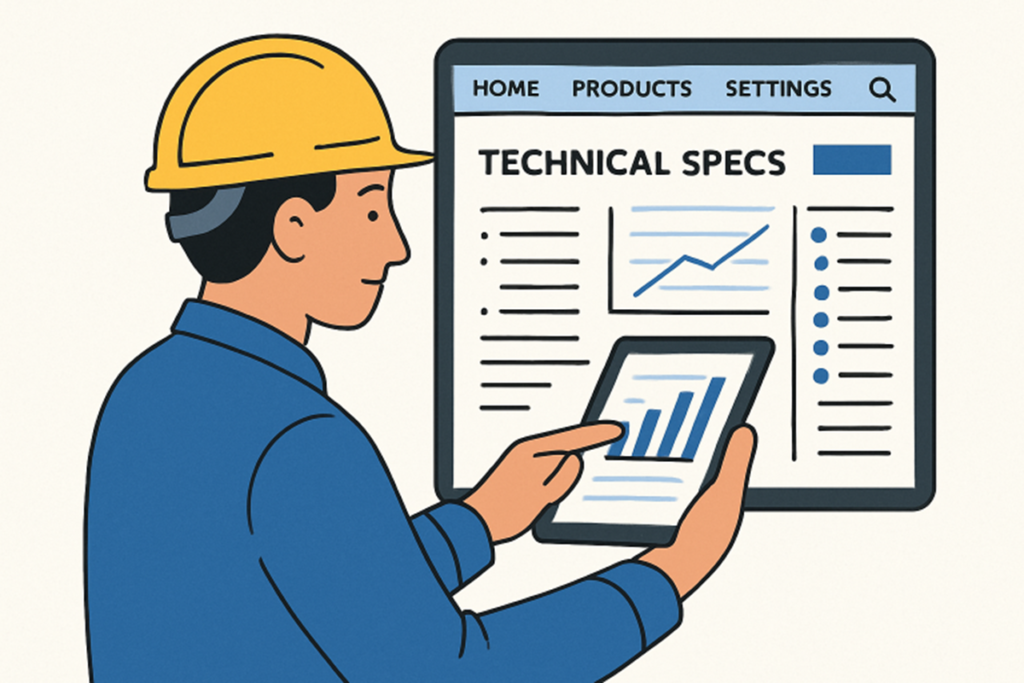
The workplace has grown increasingly mobile—from factory floors to field engineers, your ideal clients are using smartphones and tablets to access information whenever and wherever it’s needed. That means your industrial website must deliver a seamless experience across all screen sizes. Mobile responsiveness doesn’t stop at resizing content; it also encompasses touch-friendly navigation, quick-loading visuals, and restructured layouts that adapt to various devices.
According to the Forbes Tech Council, businesses risk losing credibility and leads if users struggle with clunky, outdated mobile interfaces.
Maintaining Consistent Branding
Industrial buyers associate professionalism and reliability with visual consistency. Every aspect of your site—from logo usage to colors and font style—should reflect your company’s unique identity. A coherent brand presence instills confidence in new visitors and reinforces your reputation among existing partners. Documented style guides and brand standards help teams maintain this continuity even as the site evolves or expands into new service offerings.
Powerful branding also ensures that marketing efforts—from trade shows to digital campaigns—have a unified digital hub to which all messaging returns.
Implementing Clear Navigation
A well-structured navigation system is fundamental in industrial web design. Category menus, mega-menus, and organized resource libraries can help users pinpoint what they need, whether that’s finding a datasheet or contacting support. Labels should be familiar and concise, avoiding jargon when simpler terms are sufficient.
Accessible navigational elements ensure those with cognitive or motor disabilities can efficiently move through the site, further expanding your reach.
Optimizing Load Times
Speed is a competitive advantage in the digital landscape. Slow-loading industrial sites lead to higher bounce rates, lost business, and lower search engine rankings. Optimizing images, streamlining code, and leveraging browser caching are just some techniques to ensure rapid page loads. Regularly audit your site performance and prioritize updates that impact speed, especially for pages hosting large technical files or high-resolution product galleries.
Incorporating High-Quality Visuals
Effective visuals elevate complex information and reinforce product credibility. Invest in professional photographs, illustrations, and videos that demonstrate capabilities or highlight unique value propositions. Visual content should support—not distract from—core messaging, and offer context for those less familiar with specialized equipment or processes.
Consider supplementing product shots with diagrams, infographics, and case study visuals to help buyers envision solutions in their own environments.
Ensuring Accessibility
A commitment to digital accessibility ensures that industrial websites can serve a wider, more diverse customer base. This means readable color contrasts, descriptive alt text on all images, and interfaces that support keyboard navigation and screen readers. Complying with the Web Content Accessibility Guidelines (WCAG) not only broadens your site’s public reach but also aligns with regulatory requirements and organizational values.
Accessible sites are not only ethically sound, but they also invite more business by removing unnecessary barriers for qualified consultants, procurement specialists, and technical buyers.
Final Thoughts
Effective industrial website design rests on a foundation of user empathy, technical rigor, and continuous improvement. By understanding your audience and championing principles such as mobile responsiveness, clear navigation, branding consistency, and accessibility, you position your company as a trusted digital leader in the industrial sector. Adhering to these core guidelines draws more prospects, nurtures long-term client relationships, and drives measurable business results.