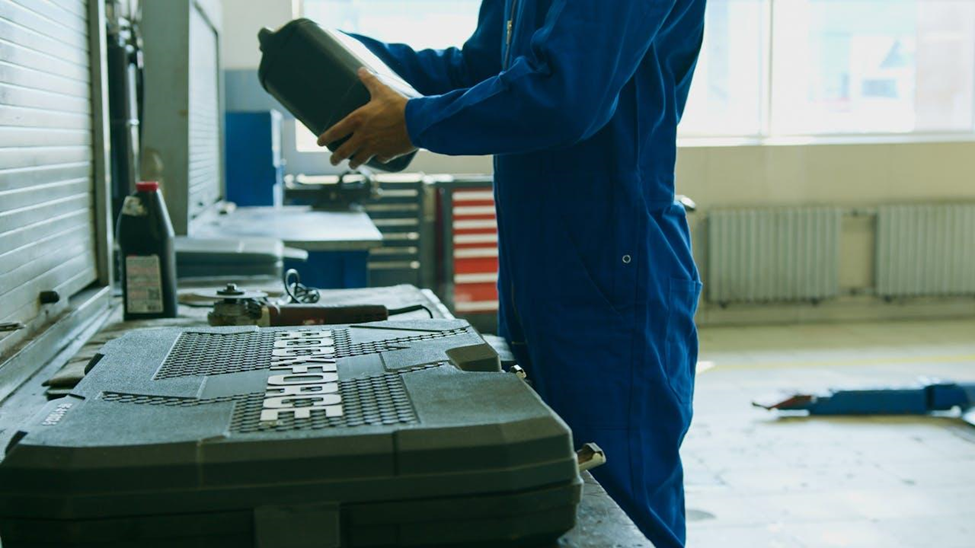
Every oil change you perform represents a decision point for your business. You can view that used black sludge as a messy liability that costs you money to haul away, or you can choose to see it as an untapped asset.
Most shop owners resign themselves to paying disposal fees because that is how it has always been done. Changing that mindset helps you recover lost revenue and positions your shop as a forward thinking leader in your local area.
Transforming your waste management practices might seem like a heavy lift at first glance. It requires new habits and some upfront effort. However, the long term payoff for your bottom line makes it worth the trouble approach. You simply need a solid plan to turn that waste stream into a value stream.
Assess the Initial Investment
Committing to a new system requires capital. You cannot avoid the reality that proper equipment costs money. You need to budget for specialized storage tanks and containment systems that meet safety standards. It is similar to buying a new diagnostic machine or a high quality lift.
Space is another cost you must consider. Your shop floor is valuable real estate. You need a dedicated area for motor oil recycling that does not interfere with your daily workflow. This might mean clearing out a storage corner or rearranging your bays.
Look at your floor plan and find a spot that is accessible for technicians but out of the way of customer traffic. The goal is integration, not obstruction.
Gather the Right Equipment
The hardware you choose determines the efficiency of your program. You cannot just use old drums and hope for the best. You need reliable, double walled tanks that prevent leaks and spills. These tanks serve as the heart of your operation.
They need to be sturdy enough to handle daily abuse and large enough to reduce the frequency of haul offs. Pumps and transfer systems are next on your list. Moving oil from a drain pan to a storage tank should be seamless. If you make it difficult for your techs, they will likely make a mess or skip steps.
Invest in air operated diaphragm pumps or high quality electric transfer pumps. Efficiency here saves labor hours. You also want spill containment pallets and plenty of absorbent materials nearby. Accidents happen. Being ready for them keeps your shop safe and clean.
Stay Compliant With Regulations
Rules exist to keep everyone safe. The EPA and your local environmental agencies have strict guidelines regarding hazardous waste. Ignoring these is a recipe for expensive fines. You need to know exactly what your state requires for storage, labeling, and record keeping. It is not enough to just store the oil; you have to track it.
Labeling is a critical part of compliance that many overlook. Every tank and container must have clear, legible labels identifying the contents as “Used Oil.” This sounds simple, yet it is a common violation during inspections. Train your staff to never mix other solvents or chemicals with the used oil. Mixing hazardous waste with used oil changes the classification and creates a legal nightmare.
Unlock Financial Incentives
The math behind this program is where things get exciting. First, you eliminate the cost of disposal fees. That is immediate cash flow improvement. But the real potential comes from converting the waste into heat. Waste oil heaters allow you to burn your used fluids to warm your shop.
Think about your heating bills during the winter months. They are likely massive. A waste oil heater can reduce that expense to nearly zero. You are generating the fuel onsite every single day. The return on investment for the heater usually happens within a single winter season depending on your climate.
Additionally, some states offer tax credits or grants for installing recycling equipment. Check with your local commerce department to see if free money is available to help you upgrade.
Run a Smooth Operation
Consistency is the driver of success. You need protocols that everyone follows without exception. If one technician gets lazy, the whole system can fail. Establish a routine that makes collection part of the oil change service, not an afterthought.
- Train every new hire immediately on the exact location and method for draining fluids to prevent cross contamination.
- Schedule weekly inspections of your tanks and pumps to catch wear and tear before a leak occurs.
- Keep a logbook attached to the tank to track volume and ensure you schedule pickups or burn times effectively.
- Post clear visual guides near the collection point to remind staff what can and cannot go into the tank.
- Assign one person to own the process so there is accountability for the cleanliness of the station.