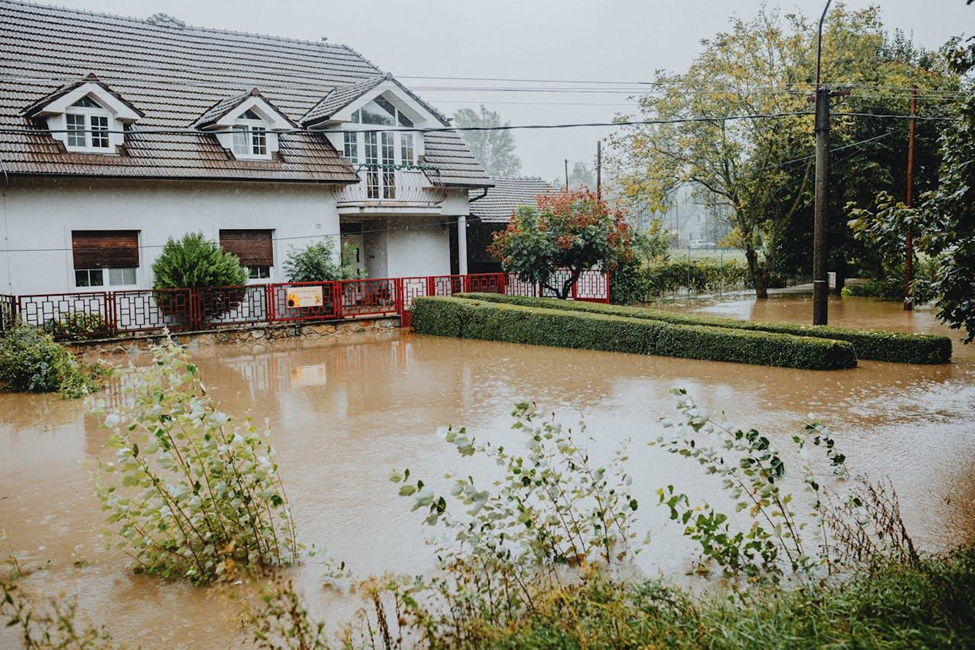
Waking up to a flooded basement or discovering a burst pipe behind a wall creates a specific kind of panic. Your home represents safety and stability. When water invades that space, it feels like a violation of your sanctuary.
You naturally worry about the immediate mess, like soaked carpets or ruined furniture. However, the silent threat lies deeper than the surface puddles. The real concern involves the skeleton of your house. Frames, subfloors, and foundations sustain damage that remains invisible until it becomes dangerous.
Dealing with this reality requires a clear head and decisive action. You have the power to protect your investment and ensure your family stays safe. Taking the right steps now prevents minor issues from turning into catastrophic failures later.
Identify Structural Weaknesses after Water Intrusion
Spotting the signs of structural failure requires a keen eye and a bit of investigation. You cannot simply look at a wall and assume it is fine because it looks dry on the outside. Go to the source of the leak and examine the surrounding areas.
Look for “alligatoring” on painted surfaces, which indicates that the material underneath is shifting or swelling. Check your floorboards. If they are cupping or crowning, water has saturated the subfloor. Press on wooden studs or beams with a screwdriver handle. Solid wood resists the pressure, but compromised wood feels soft or spongy.
Sometimes the damage goes beyond what you can see or touch. Water travels effectively through gravity and capillary action, ending up far from the original leak. In these instances, calling water damage restoration services provides a distinct advantage. These professionals possess thermal imaging cameras and moisture meters that detect liquid trapped inside walls or under concrete slabs.
Assess and Document the Damage
Before you rip out any drywall or throw away ruined possessions, you must document the scene. This step ensures you have a record for insurance purposes and for your own repair plan. Grab your camera or smartphone and take high resolution photos of every wet area.
Capture wide shots of the room and close up images of specific damage. Record a video walkthrough where you point out the water level and the affected materials. Write down a detailed inventory of what the water touched. Include dates, times, and descriptions of the source of the water.
This evidence proves the extent of the loss. It helps you get the necessary funds for repairs. Insurance adjusters need proof before they authorize payouts for major structural work.
Immediate Actions to Mitigate Further Damage
Time works against you when water sits in your home. You must stop the source of the water immediately. Once the flow stops, focus on getting the water out. The faster you remove the water, the less damage your structure suffers.
- Shut off the main water valve if a pipe burst or a supply line failed.
- Remove standing water with pumps or a wet dry vac to reduce the weight on your floors.
- Move wet furniture to a dry area to prevent staining carpets and to allow the floor to breathe.
- Pull up wet carpet and padding to let the subfloor air out.
- Open closet doors and cabinets to allow air to circulate into tight spaces.
Drying and Ventilation Techniques
Opening windows helps, but it is rarely enough to dry out structural components. You need to create aggressive airflow to force moisture out of the studs and subfloors. Place high velocity fans in the wet rooms and aim them directly at the walls. You want the air to hit the surface and carry the moisture away.
Dehumidifiers play a vital role here as well. They pull moisture out of the air and the materials. Run these machines around the clock. Do not turn them off at night. Heat also assists the drying process by encouraging evaporation.
Keeping the temperature warm helps, but be careful not to make it a tropical environment that encourages mold. Monitor the progress with a moisture meter. Do not stop until the meter confirms everything is dry. Surface dryness does not mean structural dryness.
Temporary Support and Reinforcement
Severe damage might require you to prop up parts of the house while they dry. If a load bearing wall took a direct hit, it might need help holding up the ceiling. Install jacks or temporary metal posts under sagging beams to prevent collapse.
Shore up weakened walls with lumber braces. This keeps the house stable while you work on permanent repairs. Do not attempt this if you are unsure of how to place the supports. Improper shoring causes more damage and puts you at risk of injury.
Ask a contractor to install the temporary supports. Safety comes first. These measures allow the wood to dry in its correct shape, preventing permanent warping.